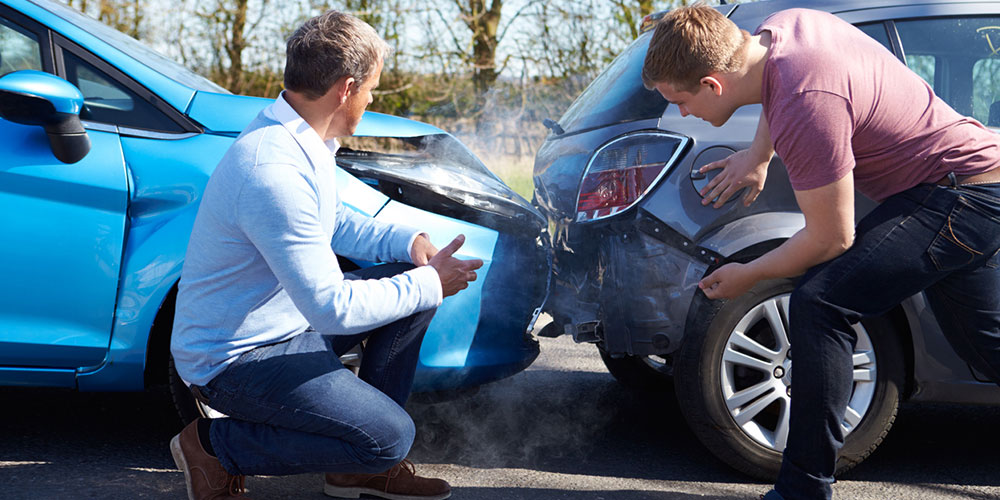

After a serious accident, most drivers assume their insurance company will fairly compensate them if the vehicle is declared a total loss. Unfortunately, that is not always how the process works. Many Florida drivers unknowingly make mistakes that reduce the amount they receive in a total loss claim settlement in Florida.
When a vehicle has been declared a total loss, it is important to understand the process of filing a total loss claim. Even if this is your first time filing a total loss claim in Florida or if you are disputing X amount of your total loss settlement due to state compensation or because X amount is too low, understanding what not to do could mean maximizing the amount that you get paid.
At ADR-Claims, drivers across Florida receive professional support for claim disputes, valuation reviews, and total loss appraisal Florida services. This guide explains the seven biggest mistakes that reduce total loss settlements and how to avoid them.
Before we go through the basic mistakes of filing total loss claims, it would serve you best as a claimant to understand how insurance companies determine whether a vehicle is deemed a total loss, according to Florida law. In Florida, a vehicle will be deemed a total loss if it can't be repaired or if the repair costs exceed some predetermined percentage of the vehicle's total value. In Florida, by law (according to the Florida Statutes), a vehicle will be considered to have exceeded this percentage for a total loss when the repair costs meet or exceed 80% of the vehicle's total current value. Insurance companies determine:
The settlement amount is usually based on the car’s ACV immediately before the accident. However, many policyholders discover the insurer’s valuation may not accurately reflect the true market value of the vehicle.
One of the most common mistakes during a total loss claim settlement in Florida is accepting the insurer’s first offer without reviewing it carefully. Insurance adjusters often move quickly after a vehicle is declared totaled. Many drivers feel pressured because they need transportation immediately or assume the insurance company’s valuation is final. An insurance carrier's first offer may:
Insurance carriers are aware that many individuals just accept the first offer to quickly resolve the process.
Before accepting any offer:
At ADR-Claims, our claim analysts identify valuation discrepancies on an ongoing basis that have a significant impact on settlement amounts.
One of the main factors that determines your vehicle's actual cash value before an accident is its condition. For example, if your vehicle is in excellent condition prior to the accident, you should receive compensation for it. Yet, all too often, drivers do not document the following aspects of their vehicle:
Most insurance companies will classify or determine your vehicle condition as being “average” without any supporting evidence, which could greatly reduce how much money you could potentially receive from your settlement.
To help prevent this from occurring to you, keep the following documentation:
The stronger your documentation, the easier it becomes to support a higher valuation during a total loss claim Florida disputes.
Insurance companies often rely on third-party valuation vendors that may use questionable comparable vehicle listings. Some comparables may:
Many policyholders never verify whether the insurer’s comparable vehicles are actually comparable. That is a costly mistake.
Vehicle pricing varies significantly throughout Florida. For example:
Your settlement may be unfairly reduced if the insurance company uses vehicles from different geographic areas or lower-valued markets for comparables.
Research:
A professional total loss appraisal Florida review can help identify invalid comparables and inaccurate pricing adjustments.
Many drivers in Florida are not aware that they can fight a low settlement offer, and the insurance company is likely not going to explain their policyholder’s right to dispute the valuation. Policyholders have a number of ways to challenge their settlement:
This is particularly true when dealing with:
Consumers come to ADR-Claims for assistance when they realize the insurance company’s valuation does not reflect the true market replacement cost of their vehicle.
Aftermarket upgrades can greatly increase the value of your vehicle; however, an insurance company will sometimes overlook the following types of upgrades:
If you do not provide documentation, those upgrades may not be included in the valuation.
Insurance companies require proof. Helpful records include:
Without evidence, many valuable upgrades may be excluded from your settlement. This is a major issue in many total loss claim settlement in Florida disputes.
Insurance companies may request that you provide a statement regarding what occurred during the accident shortly thereafter. Many people provide incomplete or wrong information without realizing their mistake; this can lead to issues when they submit their claim. Common problems associated with these include:
Although everyone is required to cooperate with their insurer, you must be aware of why they are asking for a recorded statement and take great care to provide truthful answers.
Mistakes made in the early stages of a claim may later affect how much the insurance company will pay regarding your claim.
A major mistake made by consumers is to wait until they have reached a settlement before seeking assistance with their claim. By this time, you may lose the opportunity to do so. Professional assistance can help:
At ADR-Claims, our claim specialists assist Floridians with valuation disputes and independent appraisal support that helps them get fair compensation for their loss. The sooner problems can be identified, the better your chances of receiving maximum compensation.
Understanding the valuation process helps you recognize potential issues. Insurers usually evaluate:
Older vehicles generally depreciate at a much faster rate than newer vehicles.
The more low mileage the vehicle has, usually results in the increased acknowledgement of the vehicle's Actual Cash Value (ACV).
Mechanically, there are three types of vehicle conditions (mechanical, cosmetic and interior) that are taken into consideration for developing vehicle value.
Florida market data impacts the replacement value of the vehicle.
The vehicle’s trim package (i.e., options), technology, and developed advancements are all important to the overall value of the vehicle
The history of prior accidents or prior damage to the vehicle will also greatly impact the value of the vehicle.
A total loss appraisal in Florida involves independently evaluating the insurer’s valuation and comparing it to actual market data. This process may include:
Professional appraisals are especially valuable when the insurer’s offer appears significantly below market value.
One major problem in today’s market is rapidly changing vehicle pricing. Factors affecting Florida vehicle prices include:
Most insurers’ valuation systems have difficulty keeping up with the market today. As a result, many settlement offers do not accurately represent the cost to replace the vehicle.
Be cautious if:
These are common indicators that your total loss claim Florida settlement deserves a closer review.
Maintain:
Determine if:
Compare the vehicle you own against actual market listings in your area.
Ask your insurer questions regarding:
Having the assistance of professionals very often provides you with better negotiation strength.
ADR-Claims assists consumers throughout Florida with total loss valuation disputes and claim-support services. Services may include:
The goal is to help policyholders better understand their rights and pursue fair claim outcomes.
A total loss claim Florida case occurs when an insurer determines that repairing a damaged vehicle is not economically practical compared to the vehicle’s actual cash value.
Sure. Policyholders can appeal incorrect or unfair settlement values by providing supporting proof and independent valuation evidence.
The purpose of a total loss appraisal in Florida is to review the insurance company’s valuation independently to ensure that the amount offered by the insurance company represents the fair market value.
Insurers usually rely on the fair market value of the vehicle, using comparables (i.e., comparables) for determining actual cash value, as well as factors such as the following:
Yes. Documented premium features and aftermarket upgrades may increase the value of your car.
Settling a total loss claim in Florida can seem like an insurmountable task because of the complexity of the proprietary valuation system used by some insurance carriers. Many consumers have no experience with the insurance company’s methods and feel as if they do not know where to start. This can lead to many mistakes that result in less money being paid out, including accepting the first offer from the insurance carrier, not documenting the condition of the vehicle when submitting your body shop repair estimate, and failing to exercise your right to request an introduction. The good news is that you will be in a much better position to appeal the insurance company’s valuation and obtain a more accurate settlement amount if you are an informed consumer.
Whether you are reviewing a settlement offer, contesting the value of your vehicle, or obtaining a total loss appraisal in Florida, you must first understand the process to protect yourself and your finances. ADR-Claims provides professional assistance to help Florida drivers navigate total loss disputes via professional assistance, valuation analysis, and claims assistance to help consumers receive a fair settlement after vehicle loss.